Achieve Perfect Fluffy & Crisp Belgian Waffles: Top Cooking Secrets
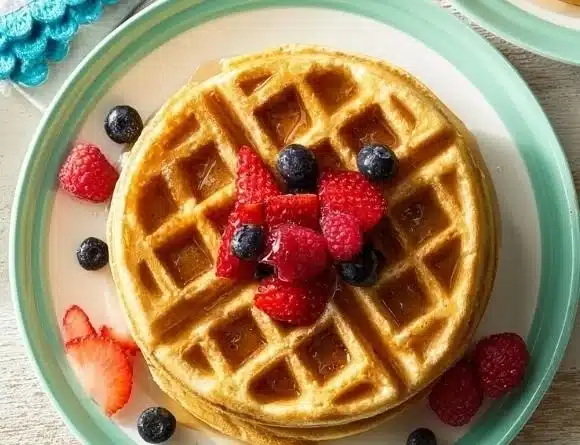
There's something uniquely comforting and indulgent about a stack of perfectly cooked Belgian waffles. Far more than just a breakfast item, they are an experience – a symphony of textures and aromas that can transform any morning into a special occasion. The ideal Belgian waffle boasts a golden-brown, irresistibly crisp exterior that gives way to an airy, tender, and impossibly fluffy interior. It’s a culinary masterpiece that fills your kitchen with an aroma that truly smells like heaven. While achieving this dual perfection might seem daunting, it's entirely within reach with the right knowledge and techniques.
The Essence of Authentic Belgian Waffles: More Than Just a Breakfast Treat
What sets
Belgian waffles apart from their thinner, denser counterparts? It's primarily their distinctive thickness and characteristic deep pockets, designed to hold an abundance of delicious toppings. Unlike standard waffles, which are often compact, Belgian varieties are celebrated for their impressive volume and light, open crumb. This unique structure isn't an accident; it's the result of specific leavening agents and careful preparation.
Traditionally, some authentic Belgian waffle recipes might call for yeast as a leavening agent, contributing to a slight tang and exceptional lift. However, for home cooks seeking a simpler yet equally spectacular result, a combination of baking powder and meticulously whipped egg whites offers an easier path to that coveted fluffy texture without the need for extensive foresight or proofing time. The goal is always the same: a waffle that is light as a feather on the inside, yet satisfyingly crunchy on the outside.
Unlocking the Perfect Texture: The Science Behind Fluffy & Crisp
The pursuit of the perfect
fluffy and crisp Belgian waffles hinges on understanding a few fundamental principles. It’s not just about mixing ingredients; it’s about creating a harmonious balance that delivers on both texture fronts.
The Power Duo: Baking Powder & Whipped Egg Whites
The secret to a truly airy and light interior lies in robust leavening. While baking powder provides an initial chemical lift, it's the incorporation of whipped egg whites that elevates the fluffiness to an unparalleled level.
*
Baking Powder: This common leavener reacts with liquid and heat to produce carbon dioxide gas, creating small bubbles throughout the batter. These bubbles expand during cooking, giving the waffle its initial rise and tender crumb.
*
Whipped Egg Whites: Separating the eggs and whipping the whites to stiff peaks before gently folding them into the batter is a game-changer. The air incorporated into the egg whites creates a stable foam that acts as a powerful physical leavening agent. As the waffles cook, the heat sets the protein structure of the egg whites, trapping the air and resulting in an incredibly light, airy, and cloud-like texture that resists collapsing. This technique is often the differentiating factor between good and truly great
belgian waffles. To dive deeper into this essential technique, read our article:
Baking Powder & Egg Whites: Your Secret to Fluffy Belgian Waffles.
The crucial step here is the *folding*. After preparing your main batter, the whipped egg whites must be incorporated gently, preserving as much of that precious air as possible. Aggressive stirring will deflate the whites, sacrificing the very fluffiness you're working to achieve.
The Heat Factor: A Scorching Hot Waffle Iron
For that quintessential golden-brown, *crisp* exterior, your waffle iron must be screaming hot. This is a non-negotiable step.
*
Preheating is Key: Ensure your waffle iron is thoroughly preheated before pouring in the batter. Many irons have an indicator light that signals readiness. Don't rush this step; a cold iron will result in pale, soggy waffles.
*
The Maillard Reaction: High heat facilitates the Maillard reaction – the chemical process responsible for browning and developing complex flavors. It also rapidly caramelizes any sugars present in the batter, contributing to the crispness.
*
Steam and Crispness: When the batter hits a very hot surface, the moisture within it rapidly converts to steam. This steam helps push the batter outwards, creating pockets, and then quickly escapes, leaving behind a dry, crisp crust. If the iron isn't hot enough, the steam escapes too slowly, resulting in a softer, less satisfying exterior.
Batter Distribution: Filling Every Nook and Cranny
Another critical factor for crisp edges is ensuring the batter makes complete contact with all the grooves of your waffle iron. Ladle enough batter to fill the wells completely, but avoid overfilling, which can cause overflow.
*
Even Coverage: A properly filled iron allows the batter to expand and brown evenly across the entire surface. This ensures that every part of your waffle, especially the deep pockets, develops that coveted crispy texture. If you skimp on batter, you'll end up with unevenly cooked areas and soft spots where crispness should reign.
Mastering the Method: A Step-by-Step Guide to Waffle Perfection
While the science might seem complex, the practical application is straightforward. Let's walk through the steps to create your own batch of heavenly
belgian waffles.
Ingredient Prep & Quality
Starting with quality ingredients and proper preparation makes all the difference. A classic foundation recipe often includes:
* 2 cups all-purpose flour
* 4 teaspoons baking powder
* ½ teaspoon salt
* ¼ cup granulated sugar
* 2 large eggs, separated
* ½ cup vegetable oil (or melted butter for richer flavor)
* 2 cups whole milk
* 1 teaspoon vanilla extract
*
Sifting Dry Ingredients: Sift the flour, baking powder, salt, and sugar together in a large bowl. This step isn't just for lump removal; it also aerates the dry ingredients and ensures the leavening agents are evenly distributed, promoting a uniform rise.
*
Room Temperature Wet Ingredients: For better emulsion and a smoother batter, ensure your milk and egg yolks are at room temperature.
*
Fat Choice: Vegetable oil provides a neutral flavor and contributes wonderfully to crispness. Melted unsalted butter can be used for a richer taste, but ensure it’s not too hot when added to the batter.
*
Vanilla: Essential for that comforting, aromatic depth of flavor.
Mixing Techniques
Precision in mixing prevents common waffle woes like toughness or uneven texture.
1.
Separate and Whip Eggs: In a clean, separate bowl, beat the egg whites until stiff peaks form. This means when you lift the whisk, the peaks hold their shape firmly. Set aside.
2.
Combine Wet Ingredients: In another bowl, whisk together the egg yolks, milk, oil (or melted butter), and vanilla. Stir slightly to combine.
3.
Combine Wet and Dry: Pour the wet ingredients into the bowl with the sifted dry ingredients. Mix gently until *just combined*. A few lumps are perfectly fine and even desirable; *overmixing develops gluten*, which leads to tough, chewy waffles instead of light, fluffy ones.
4.
Fold in Egg Whites: This is the delicate part. Carefully fold the whipped egg whites into the batter in two or three additions. Use a spatula to gently scoop from the bottom and fold over the top. The goal is to incorporate them fully without deflating the air. The resulting batter should be light and airy.
Cooking for Gold: Temperature, Time, and Doneness
Your preheated waffle iron is ready, now it's time to cook.
1.
Grease the Iron: Even non-stick irons can benefit from a light brushing or spray of oil before the first waffle.
2.
Ladle Batter: Pour the prepared batter into the hot waffle iron, ensuring the wells are completely filled but not overflowing. Close the lid promptly.
3.
Cook Through: Cook on medium-high heat. The exact cooking time can vary greatly depending on your waffle iron, but a good range is typically 5-10 minutes. Resist the urge to peek during the initial cooking phase, as this can interrupt the steaming process vital for crispness.
4.
Signs of Doneness: Look for a rich golden-brown color. Many modern waffle irons have indicator lights that signal when the waffle is done. Another reliable sign is when the steam emanating from the sides of the iron significantly diminishes or stops entirely. This indicates that most of the moisture has evaporated, leaving you with a wonderfully crisp exterior. For more insights on achieving that perfect balance, check out our guide:
Bake Heavenly Belgian Waffles: Fluffy Inside, Crispy Outside.
Beyond the Iron: Serving & Troubleshooting Your Belgian Waffles
Once your waffles are cooked to perfection, how you handle them immediately after can impact their texture.
Keeping Waffles Crisp
The worst thing that can happen to a perfectly crisp waffle is for it to turn soggy before it reaches the plate.
*
The Wire Rack Method: As soon as a waffle is done, transfer it to a wire cooling rack. This allows air to circulate all around the waffle, preventing condensation from forming and softening the crust. Never stack warm waffles directly on top of each other, as this will trap steam and lead to sogginess.
*
Oven Warmth: If you're cooking multiple batches and want to serve them all warm, you can keep finished waffles on a wire rack in a single layer in an oven set to a low temperature (around 200°F / 95°C).
Creative Toppings
While maple syrup is a classic for
belgian waffles, don't limit your imagination!
*
Sweet Delights: Fresh berries, sliced bananas, whipped cream, chocolate sauce, powdered sugar, fruit compotes, or even a scoop of ice cream.
*
Savory Adventures: Don't shy away from savory options! Belgian waffles can be a fantastic base for fried chicken, eggs Benedict, or even a sophisticated smoked salmon and cream cheese combination.
Common Pitfalls & Solutions
*
Soggy Waffles: Likely undercooked or stacked too soon. Ensure your iron is hot enough, cook until golden brown and steam stops, and always cool on a wire rack.
*
Tough Waffles: Almost always due to overmixing the batter. Mix *just until combined* and fold egg whites gently.
*
Waffles Sticking: Insufficient oiling of the iron, or the iron wasn't hot enough. Make sure to preheat thoroughly and lightly grease the plates.
*
Pale Waffles: Not cooked long enough or iron not hot enough. Ensure golden brown finish.
Achieving the dream of
perfect fluffy and crisp Belgian waffles is a rewarding culinary journey. By understanding the roles of baking powder and whipped egg whites, mastering the heat of your waffle iron, and paying attention to mixing and cooking techniques, you can consistently produce waffles that are an absolute delight. So, preheat your iron, whip those egg whites, and get ready to transform your breakfast into an extraordinary experience. Enjoy the heavenly aroma and the incomparable taste of your homemade masterpiece!