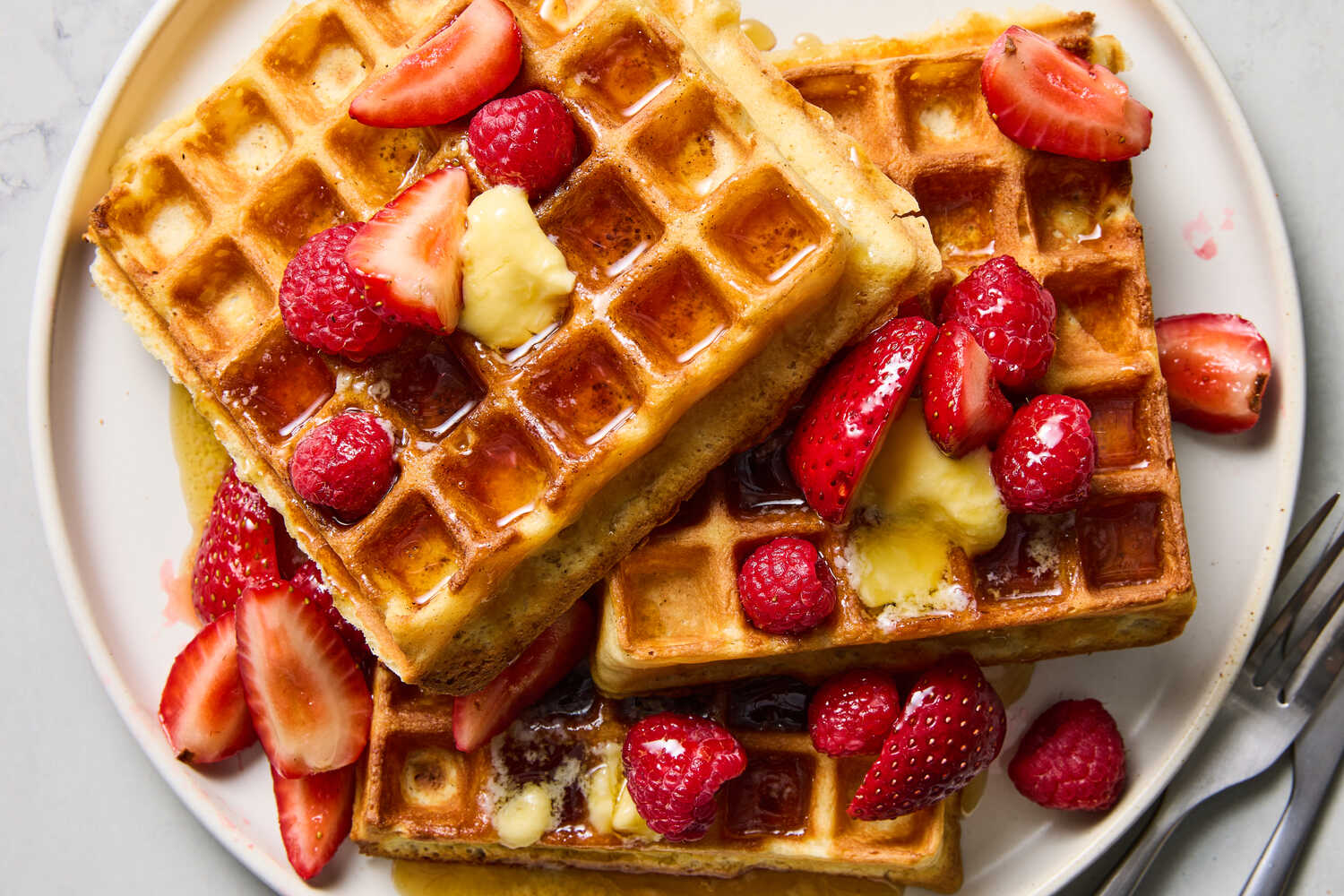
Baking Powder & Egg Whites: Your Secret to Fluffy Belgian Waffles
There’s nothing quite like the allure of a perfectly crafted Belgian waffle. Imagine the crisp snap of its golden-brown exterior, giving way to an unbelievably light, airy, and fluffy interior. The aroma alone, a sweet symphony of vanilla and freshly baked goodness, can transform any kitchen into a haven of comfort. While many associate authentic Belgian waffles with the slow, deliberate process of yeast leavening, we’re here to unveil a secret that makes achieving this culinary dream incredibly accessible, even on a busy weekday morning: the dynamic duo of baking powder and whipped egg whites. This powerful combination delivers those sought-after thick, deeply pocketed waffles without the need for extensive foresight or proofing.
The Hallmarks of an Authentic Belgian Waffle
What sets
Belgian waffles apart from their thinner, denser counterparts? It's a combination of specific characteristics that create a truly unique experience. Firstly, their distinctive thickness and generous, deep wells are designed to hold an abundance of delicious toppings, from fresh berries and whipped cream to rich maple syrup. Secondly, and most crucially, is their texture profile: a profoundly crisp exterior that shatters delicately with each bite, giving way to an interior that is not just soft, but genuinely light as a feather.
Traditionally, many authentic Belgian waffle recipes rely on yeast as a leavening agent, which requires time for the yeast to activate and the dough to rise. While undeniably delicious, this method demands planning and patience. Our focus, however, is on a brilliant alternative that achieves the same ethereal lightness and irresistible crispness with remarkable speed and simplicity. By harnessing the power of baking powder and carefully folded whipped egg whites, you can create waffles that tick all the boxes: light, exquisitely crisp, delicately sweetened, and capable of filling your home with an absolutely heavenly aroma as they cook. This approach democratizes the art of Belgian waffle making, bringing restaurant-quality results to your home kitchen with ease.
The Dynamic Duo: Baking Powder & Whipped Egg Whites
The true genius behind those incredibly fluffy
Belgian waffles, the ones that are light as air and wonderfully airy, lies in understanding the science of leavening. Our chosen method employs two distinct yet complementary agents: baking powder and whipped egg whites. Together, they create a synergy that yeast struggles to match in terms of immediate gratification and unparalleled texture.
Baking Powder: The Instant Lift
Baking powder is a chemical leavening agent, a carefully balanced mixture of an alkali (baking soda), an acid (like cream of tartar), and a starch (to absorb moisture and prevent premature reaction). When it comes into contact with liquid and heat, a chemical reaction occurs, producing carbon dioxide gas bubbles. These tiny bubbles get trapped within the batter, causing it to expand and rise. Most commonly, recipes call for double-acting baking powder, which releases a initial burst of gas when mixed with liquid and a second, more powerful release when exposed to heat in the waffle iron. This ensures a consistent and significant lift throughout the cooking process, contributing to the waffle's impressive thickness and tender crumb.
Whipped Egg Whites: The Structural Air
While baking powder provides immediate lift, whipped egg whites are the secret weapon for that truly ethereal, cloud-like interior. When egg whites are beaten, the proteins within them begin to denature and unfold, creating a network that traps air. As you continue to beat, more and more air is incorporated, forming a stable foam known as meringue. The key is to beat them until they form stiff peaks – meaning when you lift the whisk, the peaks hold their shape without flopping.
When these airy, stiff egg whites are carefully folded into the waffle batter, they introduce a massive volume of air pockets. As the waffles cook, the heat sets the protein structure of the egg whites, locking in that trapped air. This structural stability prevents the waffles from collapsing and is what gives them their signature lightness and airy chew. The combination of baking powder's chemical lift and the physical air introduced by the egg whites results in an unparalleled fluffiness that transforms a simple breakfast into an extraordinary treat.
Mastering the Technique: Beyond Just Mixing
While the ingredients are crucial, the technique you employ in bringing your
belgian waffles to life is equally important for achieving that perfect fluffy, crisp outcome. It's not just about mixing; it's about understanding why each step matters.
The Importance of Dry and Wet Separation
Many recipes, including the classic approach, begin by separating dry ingredients from wet.
*
Sifting Dry Ingredients: Don't skip sifting your flour, baking powder, salt, and sugar. Sifting aerates the flour, preventing lumps and ensuring that the leavening agents are evenly distributed. This even distribution is vital for consistent rise and texture throughout your waffle.
*
Combining Wet Ingredients: In a separate bowl, whisk together the egg yolks, milk, vegetable oil, and vanilla. The oil contributes to a tender crumb and helps achieve that desirable crisp exterior, while vanilla adds warmth and depth of flavor. Combining these first ensures they are well-emulsified before hitting the dry mix.
The Delicate Art of Incorporating Egg Whites
The magic truly happens with the egg whites.
*
Whipping to Stiff Peaks: Separate your egg whites carefully, ensuring no yolk contaminates them (fat prevents them from whipping properly). Beat them in a clean, dry bowl until they form stiff, glossy peaks. This means when you lift the whisk, the peaks stand firm and hold their shape. This step is non-negotiable for maximum air incorporation and ultimate fluffiness.
*
Folding, Not Stirring: Once your wet and dry ingredients are just combined (a few lumps are okay; overmixing develops gluten, leading to tough waffles), it's time to fold in the whipped egg whites. Use a rubber spatula and a gentle, upward motion. The goal is to incorporate the egg whites without deflating them. This preserves all those precious air bubbles, which are key to the waffle's light texture.
Waffle Iron Wisdom for Unbeatable Crispness
Even the best batter can be ruined by improper cooking.
*
Preheat Thoroughly: Your waffle iron must be *very hot* before you add any batter. A well-heated iron instantly begins to cook the batter, creating steam that contributes to crispness and helping the waffle rise rapidly. If your iron isn't hot enough, waffles can come out soggy or unevenly cooked.
*
Oil Generously (If Needed): While many modern waffle irons are non-stick, a light brushing of vegetable oil or spray can ensure no sticking and promote a beautiful golden-brown crust.
*
Fill the Wells Completely: This is crucial for those coveted crisp edges. Ladle enough batter to completely fill the wells of your waffle iron. If the batter doesn't make contact with all the grooves, those crispy, intricate edges simply won't form.
*
Cook Until Golden Brown and Steaming Stops: Avoid the temptation to peek or remove too soon. Waffles should be cooked through completely and well-browned, a beautiful golden hue. Often, the steaming from the sides of the iron will subside when they are done. This ensures that the interior is cooked and the exterior has developed maximum crispness. Rushing this step will result in undercooked, potentially chewy or soft waffles.
By following these detailed steps, you’ll not only make a batch of waffles but master the technique behind creating truly heavenly
Belgian waffles that are super crisp on the outside and wonderfully light on the inside.
A Sample Recipe to Get You Started (Adapted)
Ready to put theory into practice? Here’s a tried-and-true recipe that encapsulates all the secrets we’ve discussed, yielding fluffy, crisp, and utterly scrumptious Belgian waffles. This recipe typically makes enough batter for 3-4 generous waffles, depending on your waffle maker's size.
Ingredients:
* 2 cups all-purpose flour
* 4 teaspoons baking powder
* ½ teaspoon salt
* ¼ cup granulated sugar
* 2 large eggs, separated
* ½ cup vegetable oil (or melted butter for richer flavor)
* 2 cups whole milk
* 1 teaspoon pure vanilla extract
Instructions:
1.
Prepare Your Waffle Iron: Plug in your Belgian waffle maker and allow it to preheat thoroughly. Lightly oil the cooking plates if your iron isn't non-stick or if you prefer extra crispness.
2.
Sift Dry Ingredients: In a large mixing bowl, sift together the flour, baking powder, salt, and sugar. This ensures even distribution and aerates the flour.
3.
Whip Egg Whites: In a separate, clean, medium-sized bowl, beat the egg whites with an electric mixer on medium-high speed until stiff peaks form. The peaks should hold their shape when the beaters are lifted. Set aside.
4.
Combine Wet Ingredients: In a third bowl, whisk together the egg yolks, vegetable oil (or melted butter), milk, and vanilla extract until well combined.
5.
Combine Wet and Dry: Pour the wet ingredient mixture into the large bowl with the sifted dry ingredients. Stir just until moistened. A few lumps are perfectly normal and preferred over overmixing, which can lead to tough waffles.
6.
Fold in Egg Whites: Gently fold the whipped egg whites into the batter using a rubber spatula. Use a light, upward motion, being careful not to deflate the egg whites. Stop folding as soon as no streaks of white remain.
7.
Cook Waffles: Ladle the batter onto the preheated waffle iron, ensuring the wells are completely filled. Close the lid and cook for approximately 5-10 minutes on medium-high heat, or until the waffle is golden brown and steaming has largely stopped. Cooking times may vary depending on your specific waffle maker.
8.
Serve Immediately: Carefully remove the cooked waffle from the iron. For best results, serve immediately with your favorite toppings like fresh fruit, whipped cream, or a drizzle of warm maple syrup. If making multiple batches, you can keep cooked waffles warm on a wire rack in a low oven (around 200°F/95°C) to maintain crispness.
Conclusion
The journey to making truly exceptional
Belgian waffles doesn't have to be intimidating or time-consuming. By understanding and embracing the roles of baking powder for an instant lift and whipped egg whites for structural airiness, you unlock the secret to creating waffles that are consistently light, fluffy, and perfectly crisp. From the meticulous separation of ingredients to the gentle folding technique and mastering your waffle iron, each step contributes to a breakfast or brunch experience that is nothing short of heavenly. So, next time the craving strikes for those deeply pocketed, golden-brown delights, remember this dynamic duo and prepare to impress your taste buds and loved ones with a batch of homemade Belgian waffles that truly embody perfection.